
Lessons learned from visiting a prison in Malaysia
Life as we know it is not the same for everyone, and even more so for those who are convicted and sent to prison. While some of us may feel trapped in a free world, the reality for inmates in Malaysia is entirely different.
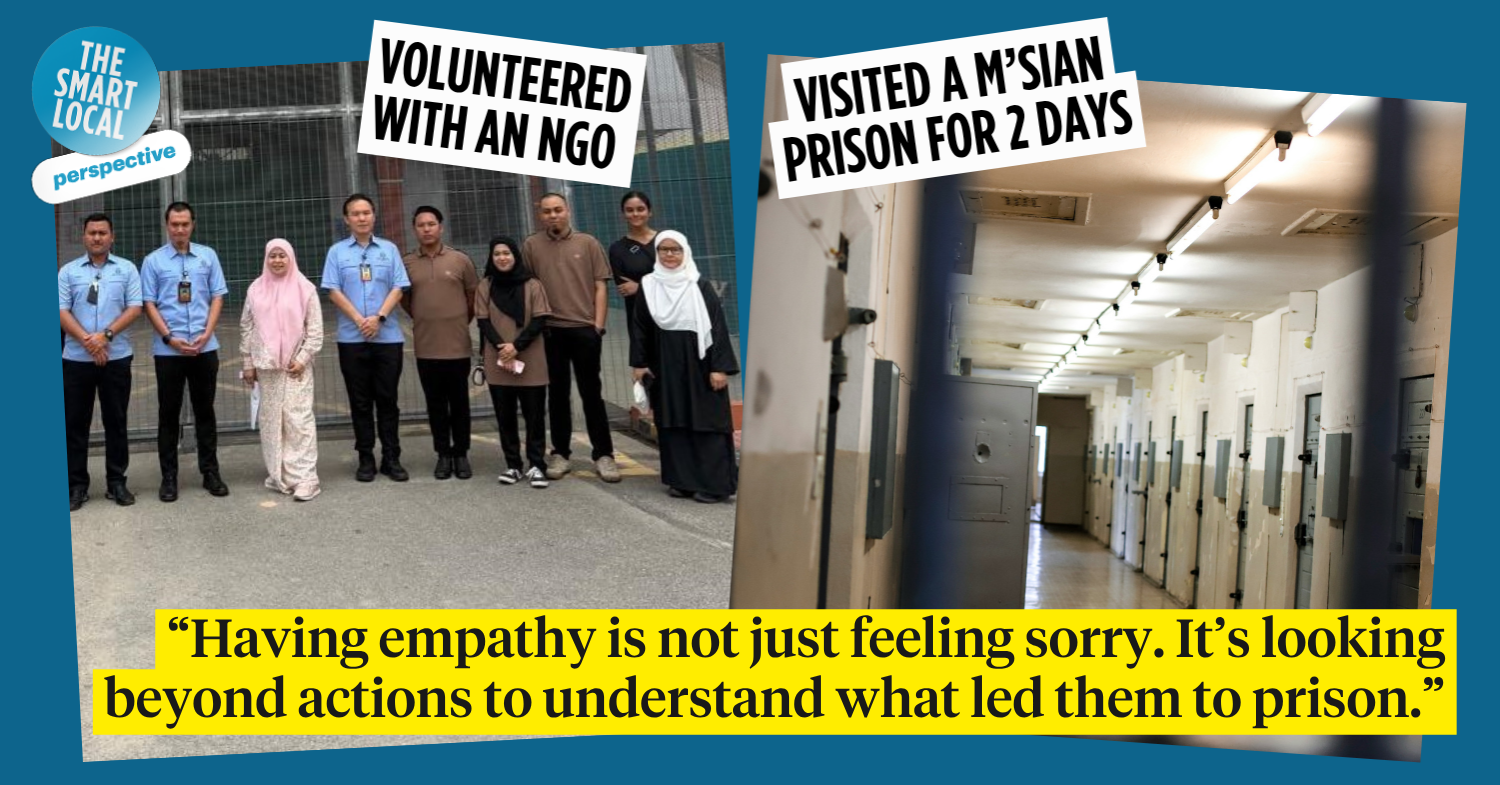
Through a volunteer programme with the local NGO Empati, I had a rare and life-changing opportunity to visit a prison in Malaysia, where I got to have 1-on-1 conversations with inmates. After passing screening interviews and attending intensive training with a registered counsellor, I realised this was far more than a one-of-a-kind experience. It turned out to be a profoundly transformative one.
Here are the lessons I learned through the visit and my conversations with those incarcerated:
1. Almost every form of freedom is absent
For illustration purposes only.
Image credit: Matthew Ansley via Unsplash
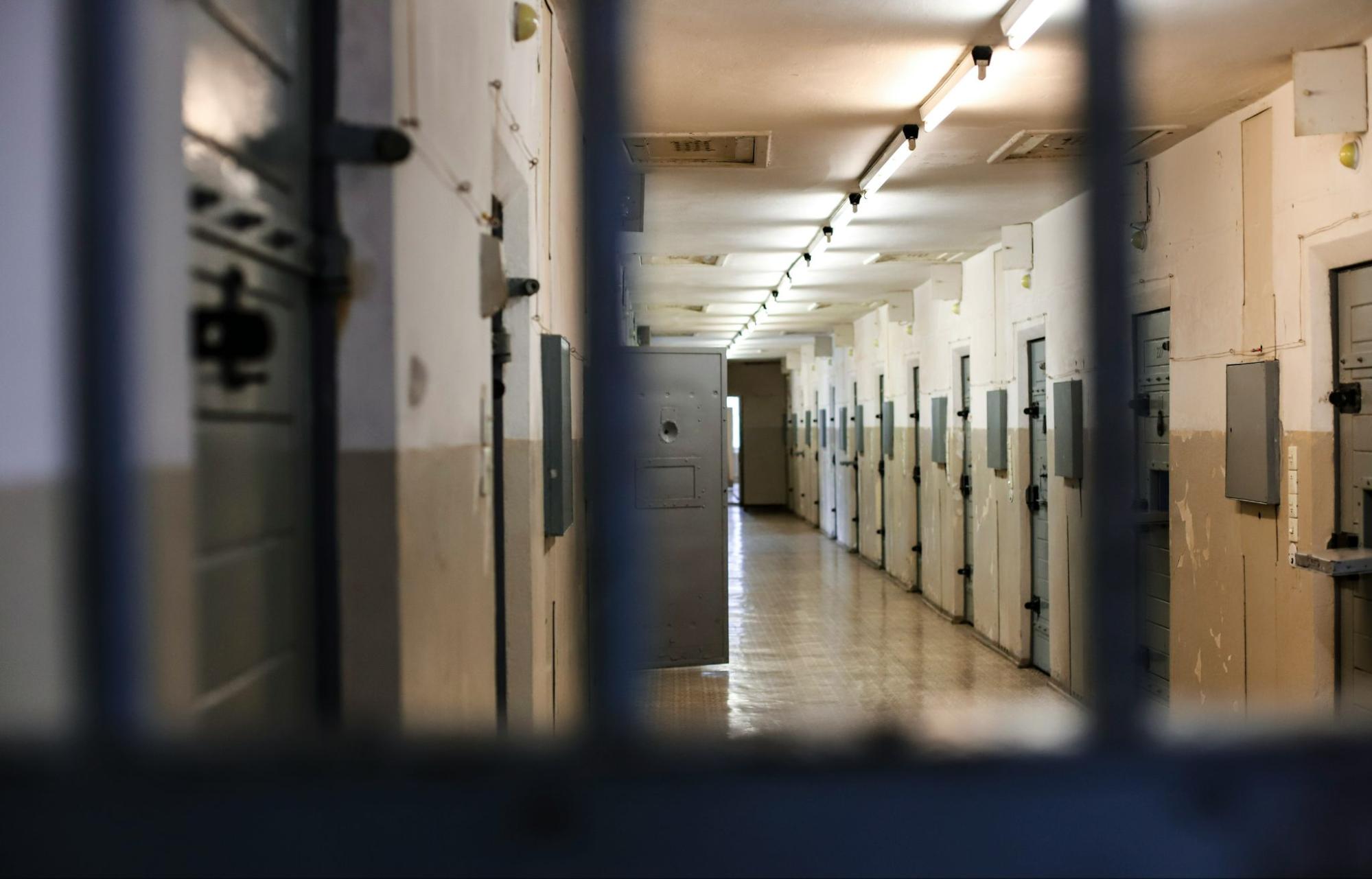
Inside a prison, one’s material gains, social status, and background become meaningless. You enter with nothing but yourself and a uniform to wear. Beyond your name and inmate number, nothing else matters. You’re marked by a coloured uniform, which signifies the reason for incarceration, and your every move is observed. Almost every form of freedom is absent.
It is an unspoken community where shaven heads signify membership. Conditioned to accept a new reality, inmates are assigned a life of restriction that they must adapt to, to make up for their wrongdoings.
Behind prison walls, there exists a world that no one outside can truly comprehend. But for some, life behind bars is a reality that must be accepted.
2. Navigating intense emotions is a crucial life skill
For illustration purposes only.
Image credit: Umanoide via Unsplash
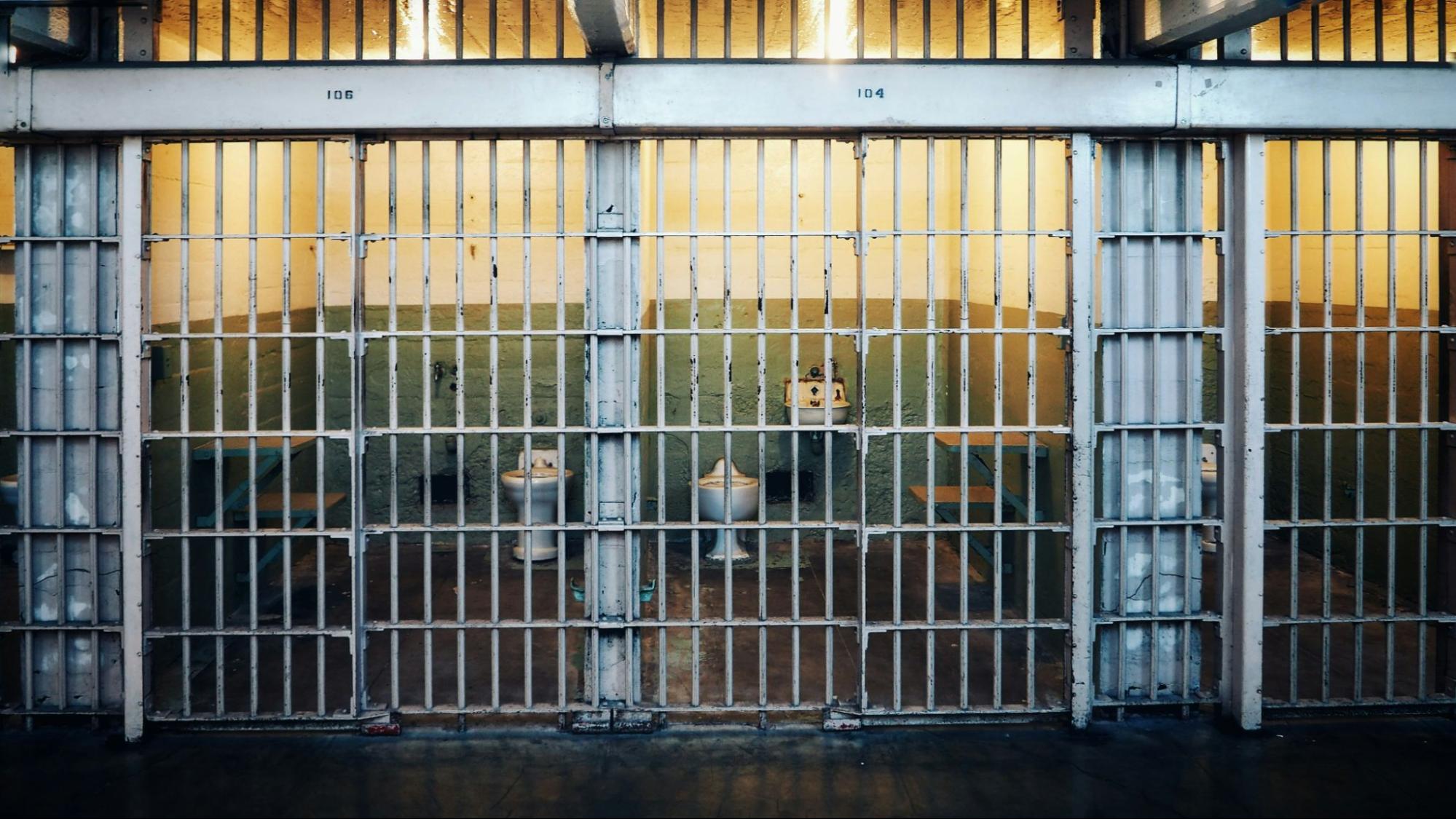
Speaking with inmates is different from speaking with people in everyday life. Before meeting with them, I had to learn how to communicate with emotional awareness, understand psychological nuances, and most importantly, practise empathy.
Empathy goes beyond feeling sorry for someone. It pushes you to see beyond someone’s flaws and understand the circumstances that lead them to end up in a place like prison. And this is no easy feat, even for someone with the biggest of hearts.
In my conversations with inmates, I realised that many of them lack the tools to navigate intense emotions such as anger, grief, and betrayal. Speaking with them showed me that they are human, with lives and struggles not unlike our own. The difference between them and me felt like it could be boiled down to knowledge and awareness of how to manage emotions.
3. Freedom should not be taken for granted
For illustration purposes only.
Image credit: De an Sun via Unsplash
Even short periods of isolation in our daily lives can be challenging. Having to go through days, months, and years in solitary mode, under constant supervision and surrounded by constraints, is infinitely harder.
Inmates live within confined spaces, behind bars and barbed wire, under the watch of armed guards. Every movement made is carefully regulated, 24 hours a day.
Though I only spent two days in the volunteer programme, the experience of stepping through multi-layered gates, undergoing security checks, and completing the interviews felt like waves crashing over me. Each time I moved from one space to another, the reality of life inside these walls hit me afresh.
The contrast between the inside and the outside is stark. The air you breathe. The surroundings. The appearance and behaviour of the people.
Everything feels different, almost surreal.
Prison life presents sharp changes that no one can really be prepared for. Mentally, you become aware of limits you never imagined could exist. Emotionally, you may be shaken by having to face the darkest parts of humanity. And physically, even small movements and routines carry a weight that you do not feel outside.
The true worth of freedom hits harder than ever inside confinement.
4. Listen to understand rather than to respond
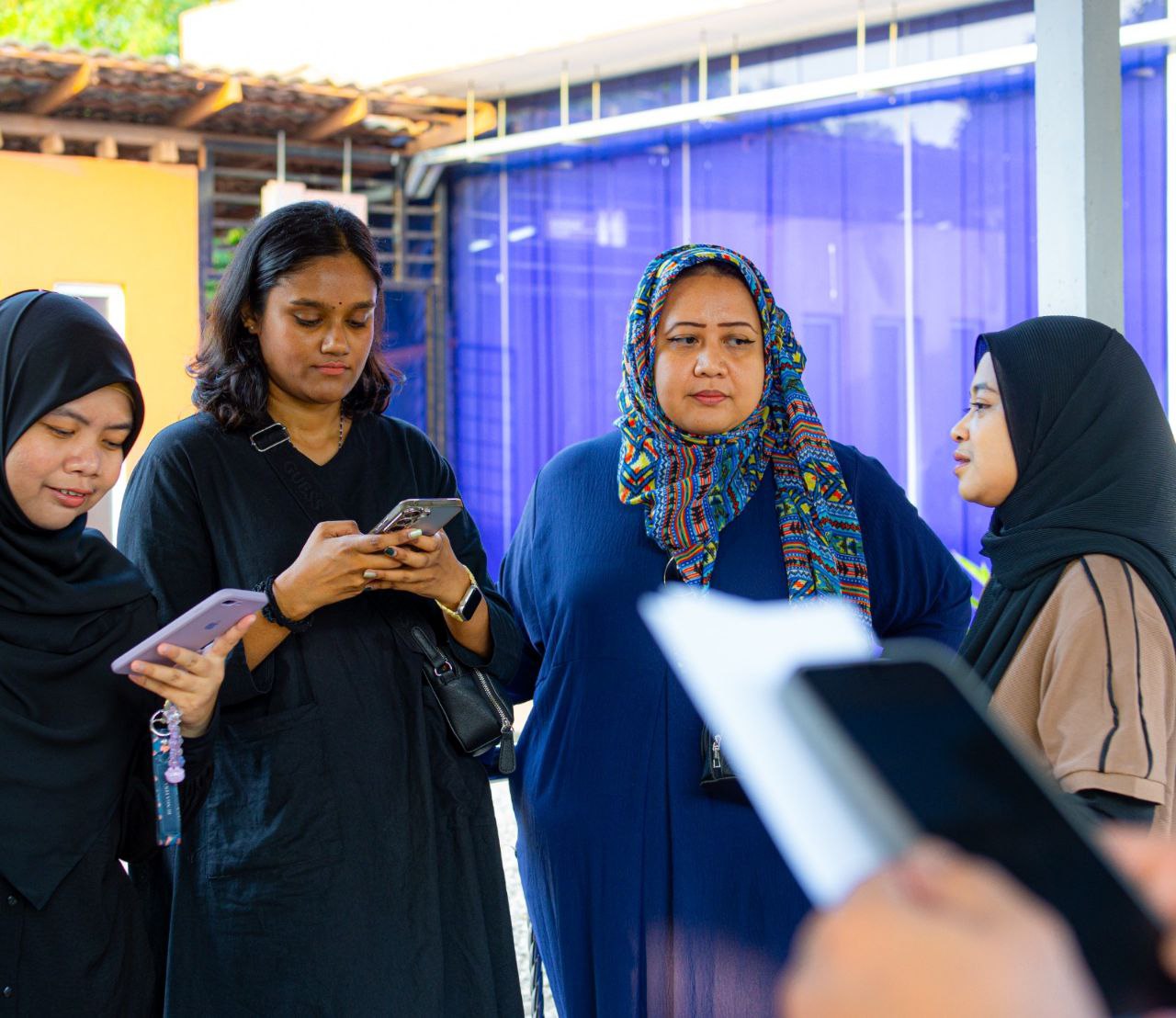
Image credit: NGO Empati
Humans are like walking novels, each with different chapters and stories. The same applies even to those confined to life within prison walls.
We all wear different shoes, and our sizes are rarely the same. More often than not, the judgments we pass on others reflect how we have been conditioned to see the world rather than the actual reality of people’s lives.
During my volunteering journey, I discovered not only what life must feel like for inmates, but also how profoundly listening to someone can make a difference. Open and honest conversations can be life-changing, because we can never truly know what others are going through from surface-level impressions.
To truly understand one another, we need to both speak and listen. We must also be honest with ourselves and express what we truly mean. And simply lending an ear can mean tenfold to someone who is struggling or needs to open their heart.
It sounds simple, but even just listening is an art in itself. Most of us are more accustomed to listening to respond than to understand. Shifting our mindset before we hear others out can profoundly impact our well-being and the harmony of the world around us.
I’ve also learned that as much as my role required me to listen during the interview sessions with the inmates, I, too, needed someone to listen to me. As the saying goes, sometimes a good listener needs a good listener.
Simply put, to sit and listen to someone’s story is the least we can do to better get along with all the people who pass through our lives.
5. Love is always the answer
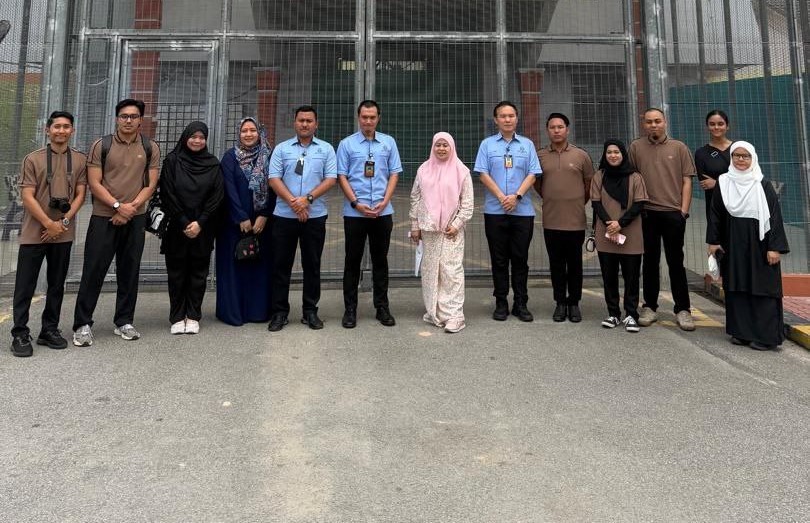
Image credit: NGO Empati
Nothing matters more in life than the experiences we collect, the connections we cultivate, and filling our hearts with love for ourselves and others rather than hate. As cliched as it may sound, love is always the answer, but we must first give it to ourselves to truly experience freedom.
As human beings, we’re accustomed to focusing on the imperfections rather than appreciating the beauty that can exist within them. Visiting the prison made me mull over this and rethink my way of perceiving in life.
I learned that many of us are held captive by our own minds. From negative self-talk to constant rumination of unresolved feelings, it’s easy to end up harbouring hate and resentment towards ourselves and others. This can lead to many mental struggles that we unwittingly impose on ourselves.
I have realised that Bob Marley was right all along when he sang, “Emancipate yourselves from mental slavery, none but ourselves can free our minds”.
A life-changing experience visiting a Malaysian prison
No one escapes life alive, and our time here is short and precious.
Speaking with the Malaysian inmates made me realise that everyone needs someone to hear their hearts. Understanding someone’s story is not just about listening. It is about recognising that we are all human, and none of us leaves this life without loss.
For someone who feels deeply, this single experience has shaken me to my very core. While it may sound like an exaggeration, stepping inside a prison with no access or connection to the outside world is a brutal and humbling experience, and one that I will never forget.
On frustrating days, I will remind myself of the world within prison walls to motivate me to make the most of each and every day that I get to live and breathe freely. Being able to make the best of our time on earth is, to me, freedom in its truest form.
Cover image adapted from: NGO Empati